Exhibitions
2025.11.26
Cho Eun-jung | Art Critic
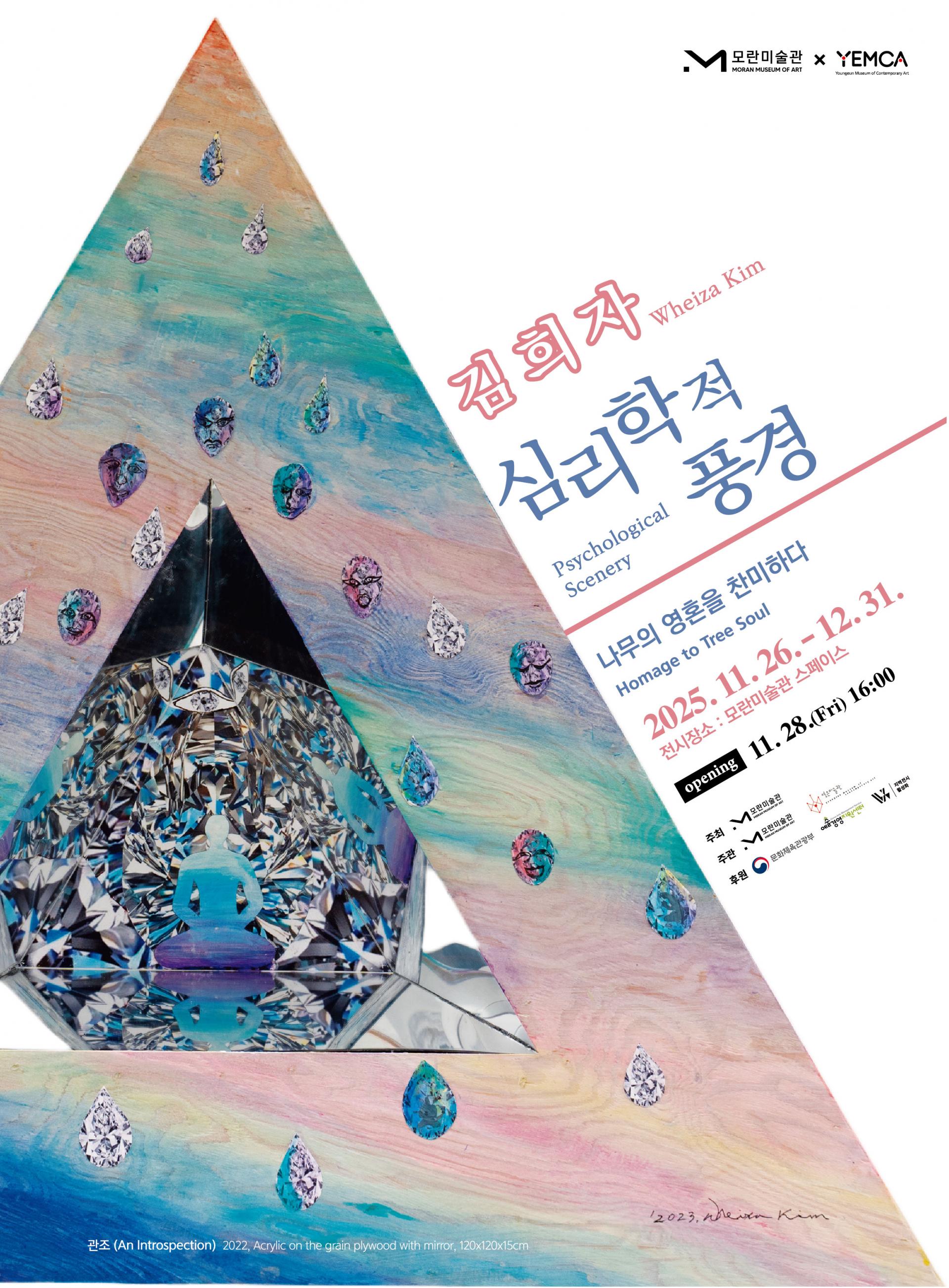
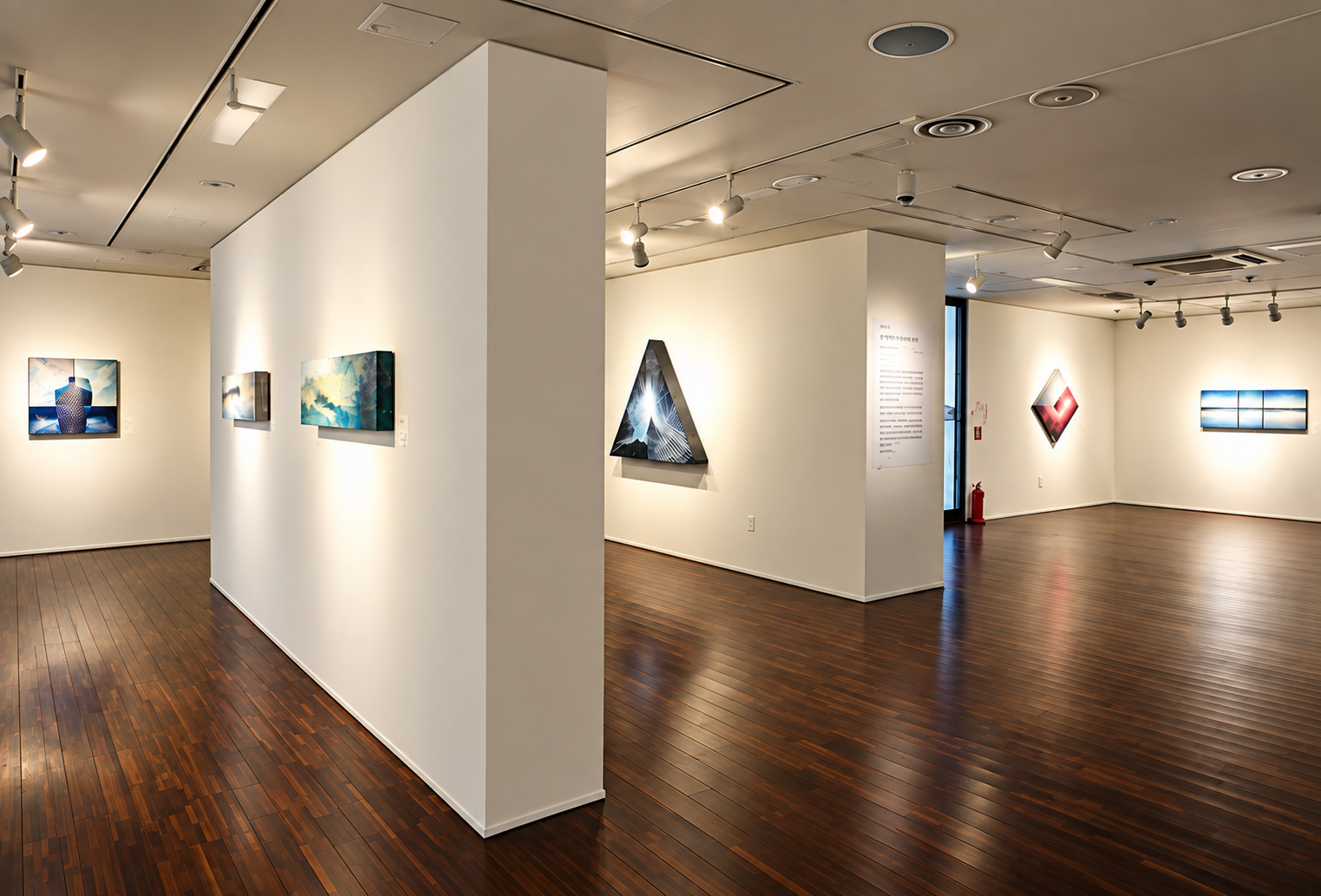
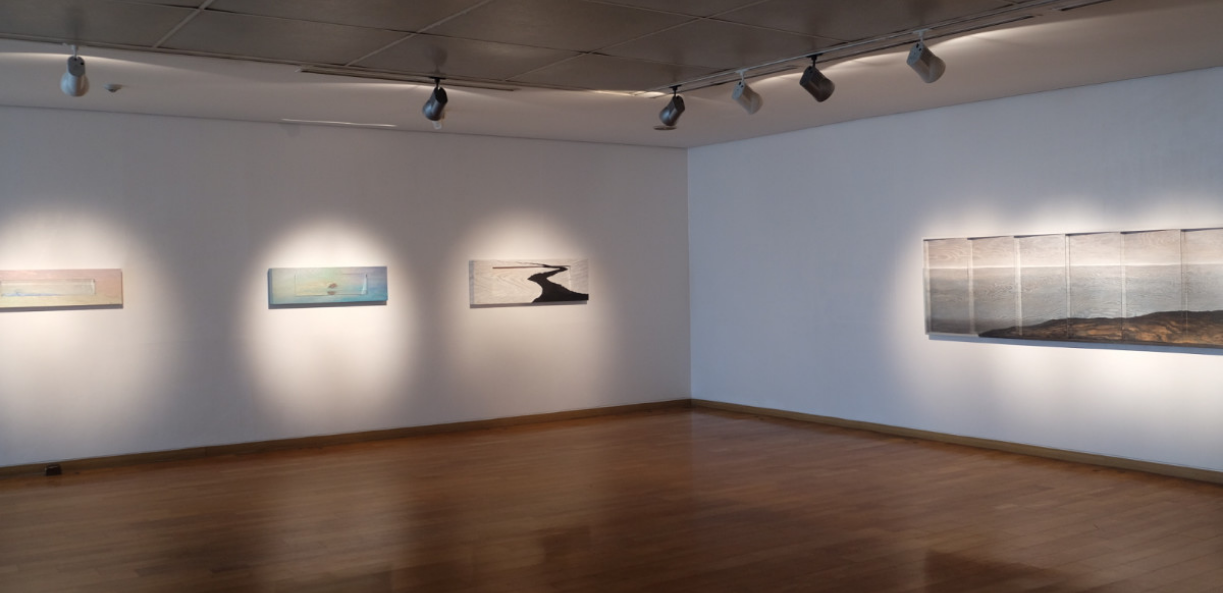
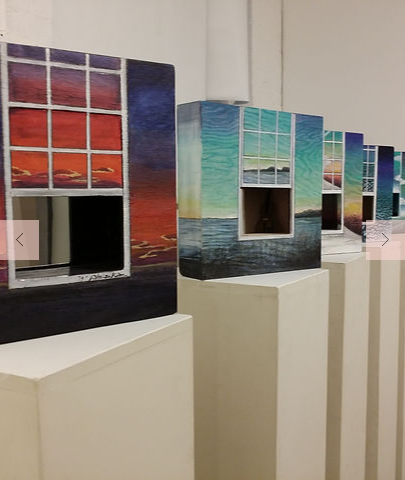
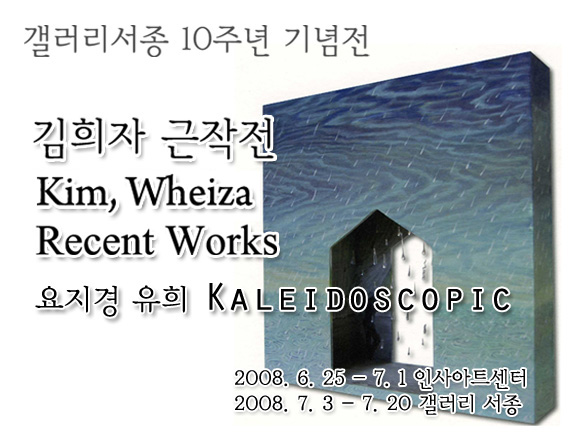
Wheiza Kim’s works were composed of materials such as wood, stone, and mirrors. The vast sea revealed its waves along the grain of the wood, while at times a small woman and man appeared inside a tiny house. These were points of pain where profound loneliness experienced in a foreign land and inner psychological suffering came surging in like waves. Yet they were also sites that recorded the courage to confront such issues as womanhood, the institution of marriage, and diaspora.
Kim’s return to Korea and subsequent residence at the Youngeun Museum of Contemporary Art Residency strikes me as a kind of last stand. To define one’s place and body through the act of living as an artist is not something commonly expected of older women. Having resolutely chosen to live as an artist there, she completed her confrontation with the vast sea that once made her shudder yet nevertheless offered consolation, with insignificant stones, and with the small woman inside the house toward whom she felt compassion.
Her work then underwent a transition toward gazing into the forest and the night sky. Looking at the series of exhibitions she presented at the Youngeun Museum of Contemporary Art, I found myself thinking of the words “leap” and “growth.” In a world overflowing with children who endlessly cling to their wounds and wail, here was an artist who allowed her wounds to scab over, breathed deeply, contemplated existence, and asked where we come from and where we are going.
The artist of Contemplation, who once gazed endlessly at the sea while looking inward, becomes a figure absorbed in meditative concentration, confronting her own inner self, contemplating non-thought (無想), and moving toward an empty fullness. As people grow older, they may shed what surrounds them and reflect deeply upon existence, but this is by no means true of everyone. The sea with its rough waves is embedded in the grain of wood, and the memories held within that wood emerge as a dense forest and as stars glittering overhead.
Whatever forms they may assume, what we ultimately encounter in Wheiza Kim’s images is human anguish and the wonder of nature embodied through the material of wood. Her homage to the soul of the tree is both a tribute to the lives of all human beings who have endured like trees and a mantra of gratitude to all beings of the universe that have embraced those lives.
The end of human life follows a course from which no one ultimately arrives elsewhere, yet the world the artist reveals along that journey makes the heart race. What a blessed journey it would be if we could encounter an albatross, listen to a symphony of the soul, pass by the house of the transcendent, marvel at sunlight shimmering upon the water, and offer boundless prayers. On a journey I had neither imagined nor dreamed of, I also come to understand that what must be opened in order to recognize the albatross and hear the symphony resonating in our ears is the intangible mind.
Exhibitions
2025.11.26

Exhibitions
2021.03.20
Exhibitions
2016.01.12
Exhibitions
2008.07.03