Exhibitions
2021.03.20
Youngeun Museum of Contemporary Art
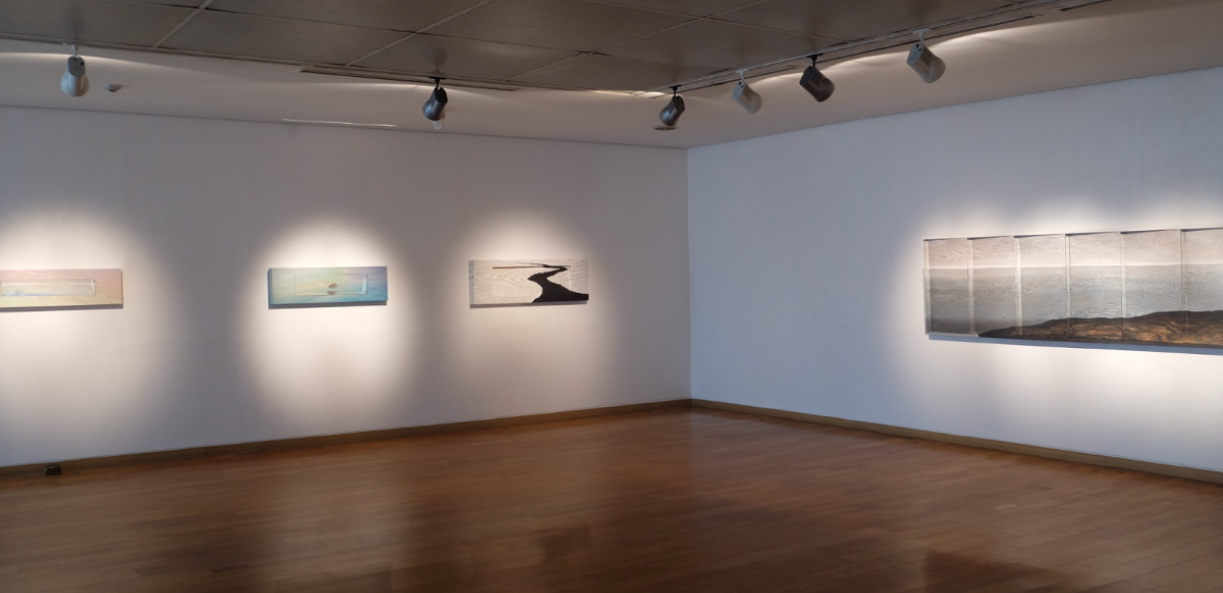
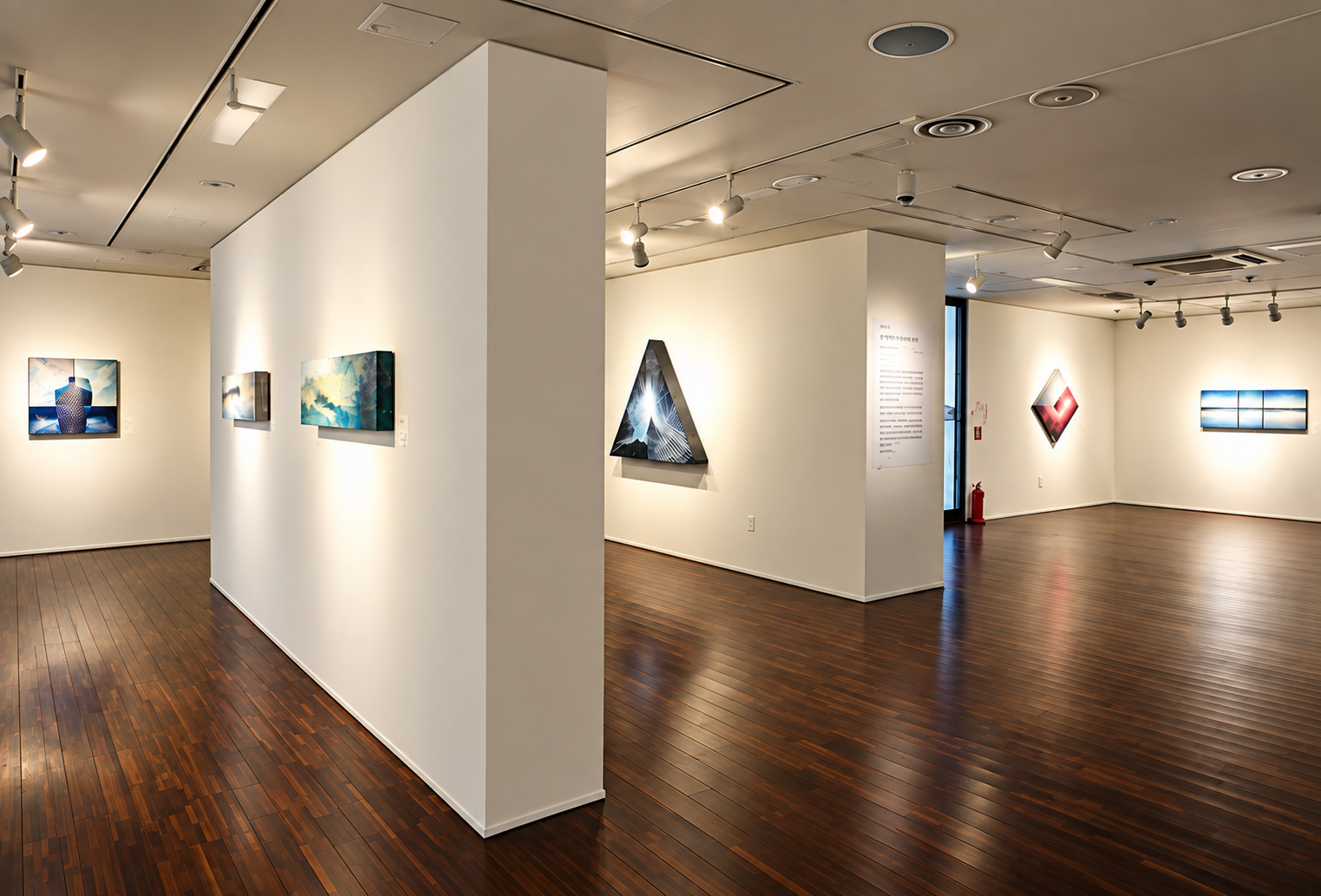
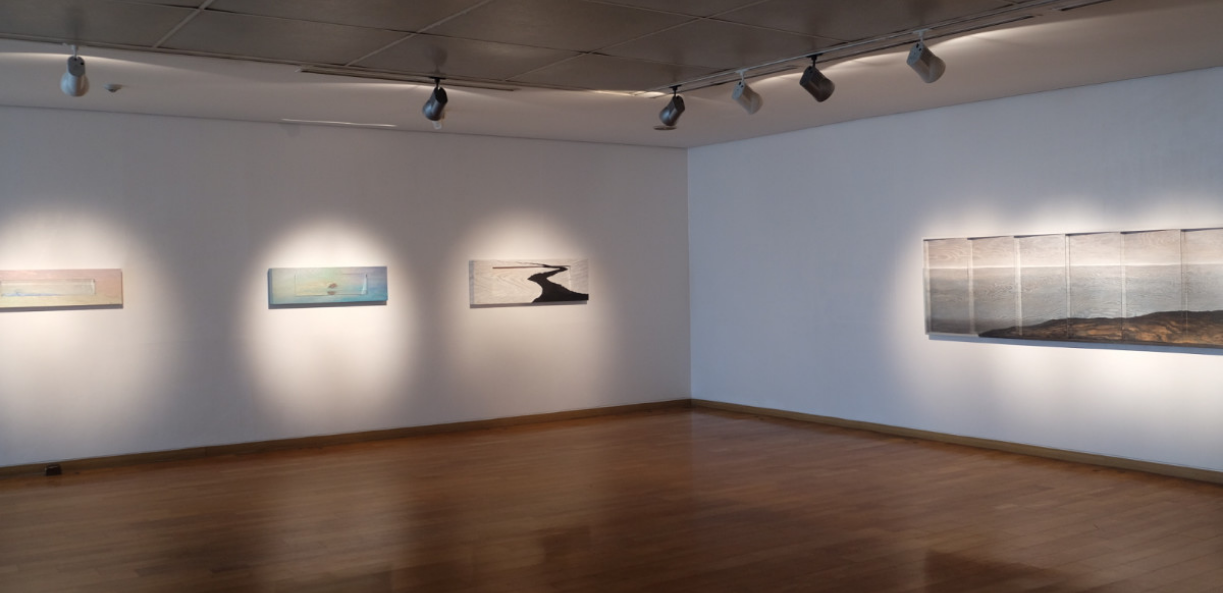
As part of the Youngeun Artist Project, Youngeun Museum of Contemporary Art presents 《Epics_written by tree》, a solo exhibition by Wheiza Kim, a member of the 11th Youngeun Artist-in-Residence Program, from March 20 through April 11.
Wheiza Kim moved to the United States in 1997 as an invited artist and lived for approximately twenty-five years on Long Island, renowned for its beautiful natural environment, before joining the Youngeun Artist-in-Residence Program in Korea in 2020. Although the environment surrounding her was exceptionally beautiful, paradoxically, it was there that she suffered from profound loneliness and isolation.
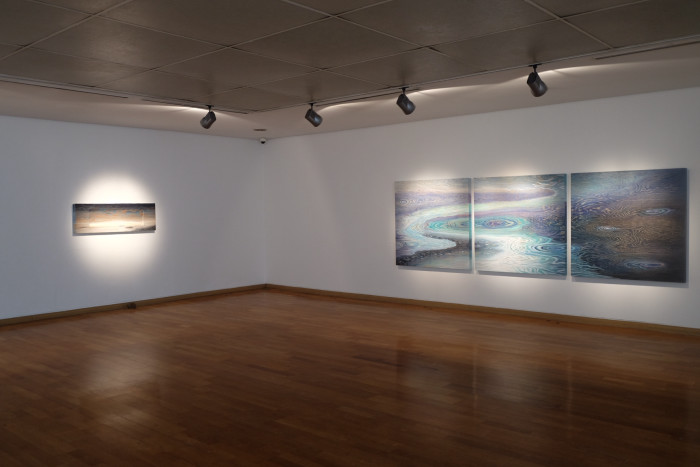
She found great comfort in the trees of the forest where she regularly walked, the tranquil sea just outside her home, and nature itself—particularly the trees that were always present within it. These experiences also had a significant influence on her work. Kim’s finished works reveal the distinctive grain of each tree and tell stories that subtly unfold along its flowing patterns.
To help convey these stories, she cuts and joins pieces of wood onto flat surfaces, constructing structural forms. Reading the grain of dozens, even hundreds, of pieces of wood, Kim pours her inner world into her works.
Through her exchanges with art critic Donald Kuspit, known for his criticism of artists including Louise Bourgeois and Georgia O’Keeffe, Kim was able to recognize and establish her seemingly contradictory identity as both a Korean and a Western-style painter within the framework of Western aesthetics. Kim deeply identified with Kuspit’s criticism, which emphasizes the artist’s inner psychology, the essence of art through which that inner world becomes embedded in the work, and the sincerity of the artist throughout this entire process.
In Kim’s works displayed in the exhibition, one can sense that her life itself has been deeply inscribed within them. Her long years of solitude amid the beautiful natural environment of seemingly perfect peace have been transformed into works imbued with a tranquil, meditative, beautiful, and solitary atmosphere, inviting empathy from viewers in the exhibition space. The works also reveal her identity as an Asian woman and the distinctive modes of expression she has developed to embody that identity.
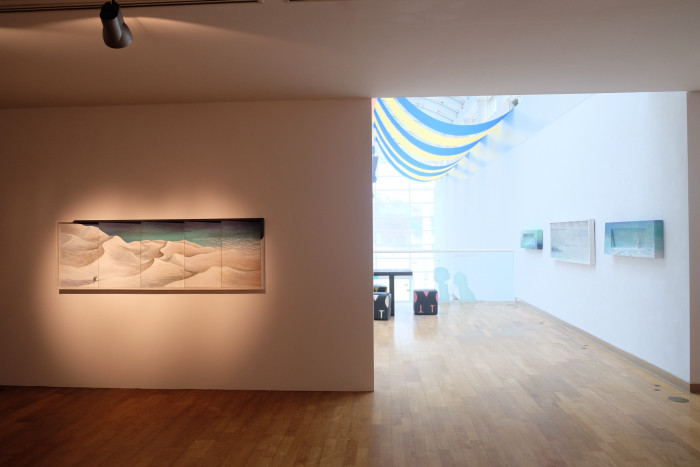
Rather than following prevailing trends in contemporary art, Kim has continually reflected on the sincerity of an artist who brings something arising from within into the work itself. Her desire simply to devote herself to the act of painting speaks to the depth of her commitment to art.
During her isolated and difficult daily life, Kim formed an emotional connection with the trees she encountered like companions on her walks. She read and studied books about plants, listened to the whispering sounds of trees in the forest, and came to understand their stories through the unique grain of each tree. Her mysterious and deeply emotional perceptions are embedded directly in her works, unfolding the stories that trees have long held within themselves.
Advances in techniques that allow wood to be rotary-cut have also helped bring these hidden stories into view. Just as no two human fingerprints under the sky are identical, the grain of each tree is likewise unique. It is a defining characteristic that speaks directly to the mystery and vitality of trees.
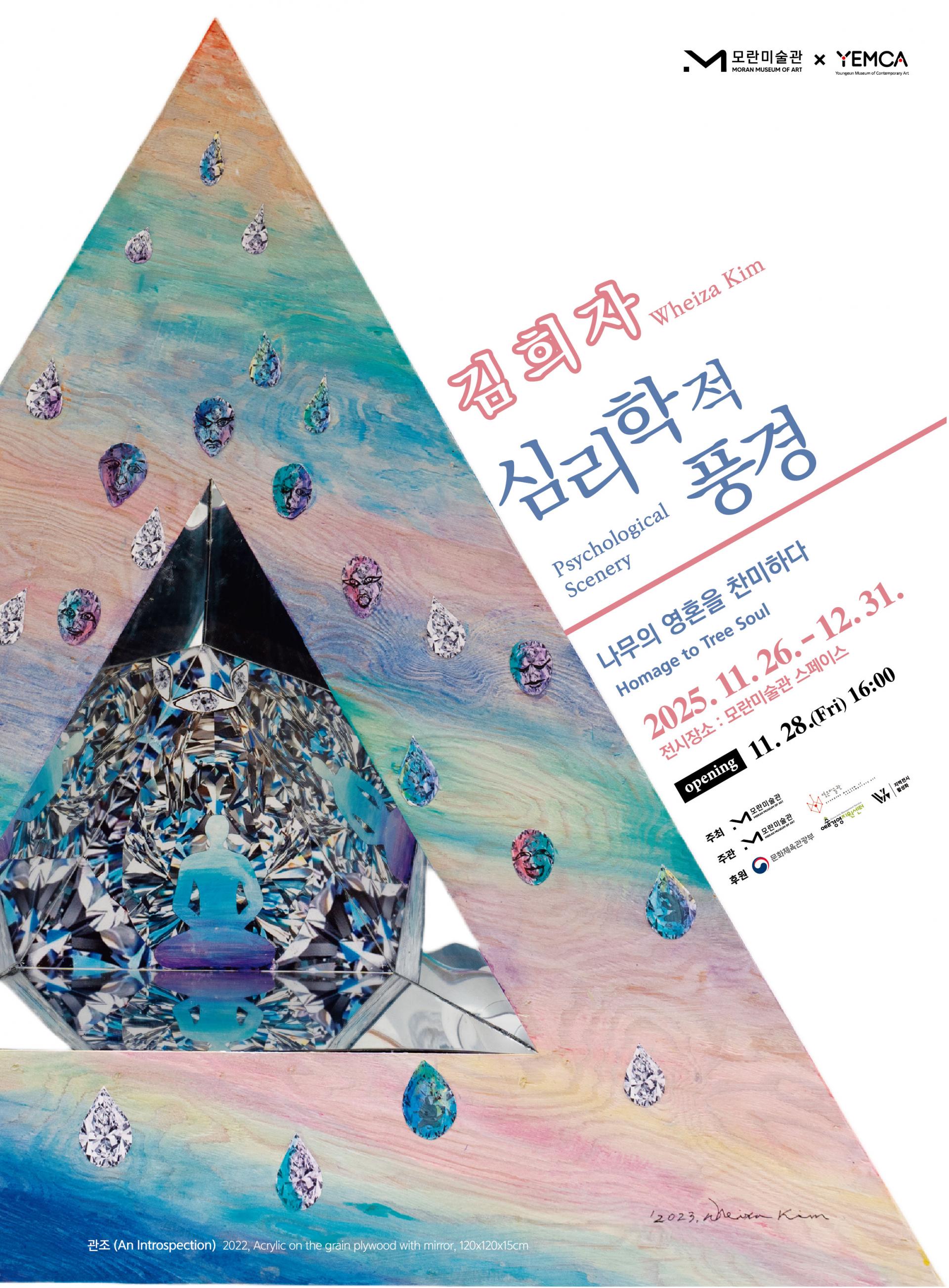
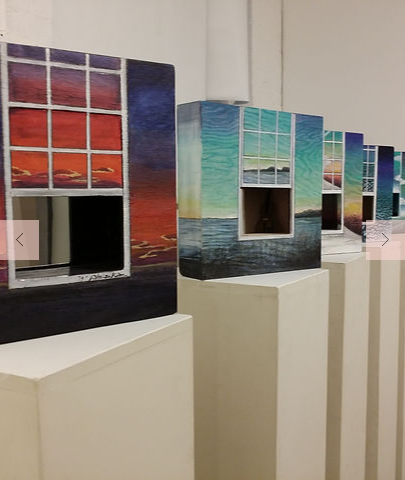
Another formal element as important as wood grain in Kim’s work is the mirror. In the reflective nature of a mirror, whose existence acquires meaning only when there is something to reflect, Kim finds an opportunity to contemplate human desire.
She explains the metaphor of the mirror in her work through the idea that without greed, desire, and attachment, suffering itself could not exist. At the same time, the act of reflecting something—and thereby coming into existence through that reflection—also functions as a device signifying interaction and communication with the artwork.
Exhibitions
2025.11.26

Exhibitions
2021.03.20
Exhibitions
2016.01.12
Exhibitions
2008.07.03