Archive
Works
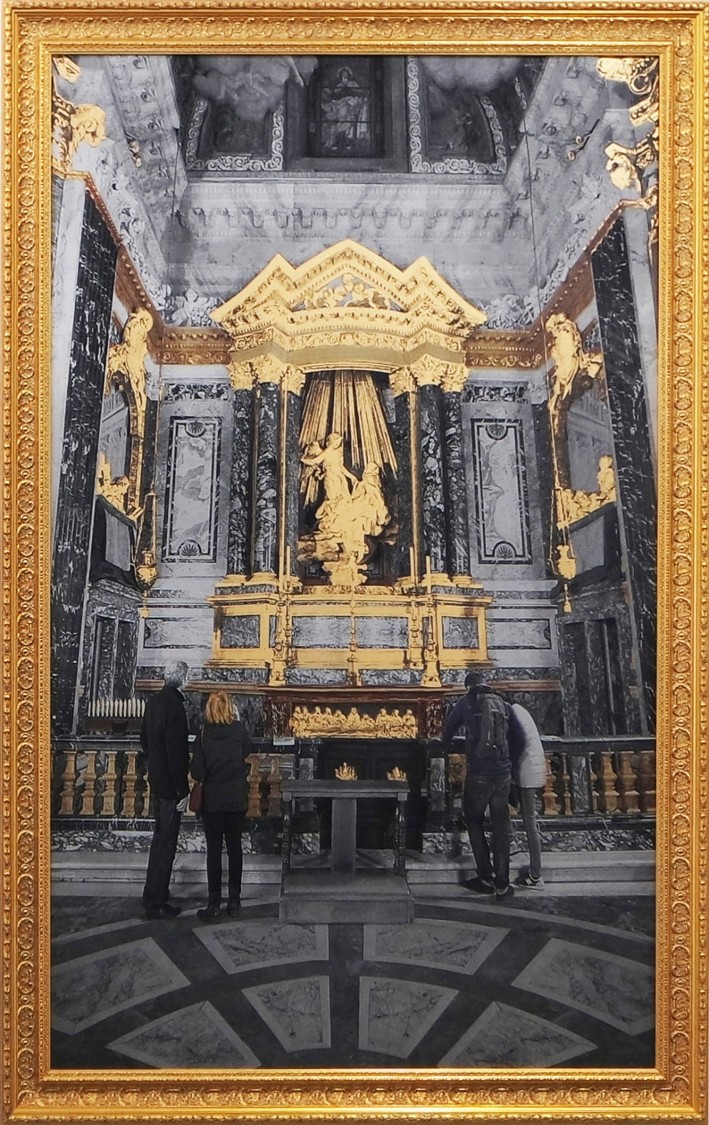
Works
Flâneur in Rome, 2017
Exhibitions

Exhibitions
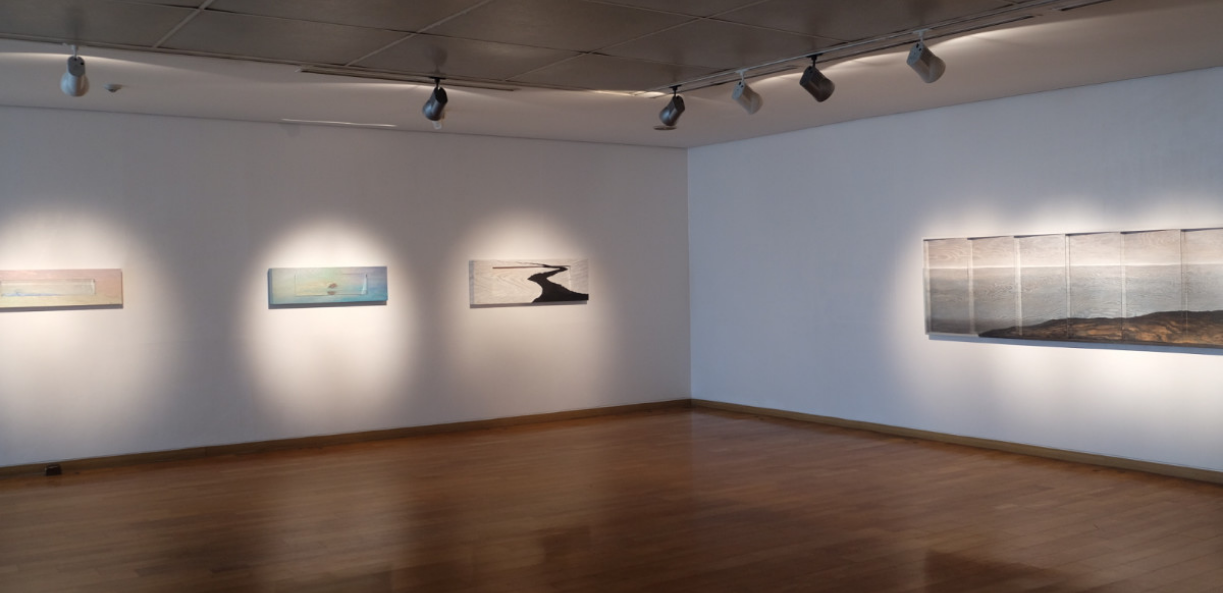
《Psychological Scenery: Homage to Tree Soul》, 2023.06.24 – 2023.09.24, Youngeun Museum of Contemporary Art
Youngeun Museum of Contemporary Art presents Wheiza Kim’s solo exhibition 《Psychological Scenery: Homage to Tree Soul》. Through a spiritual communion with nature, Kim reads stories that remain unseen and conveys them through her paintings.
2023.06.24
Exhibitions
《Epics-written by tree》, 2021.03.20 – 2023.04.11, Youngeun Museum of Contemporary Art
As part of the Youngeun Artist Project, Youngeun Museum of Contemporary Art presents 《Epics_written by tree》, a solo exhibition by Wheiza Kim, a member of the 11th Youngeun Artist-in-Residence Program, from March 20 through April 11.
2021.03.20
Exhibitions
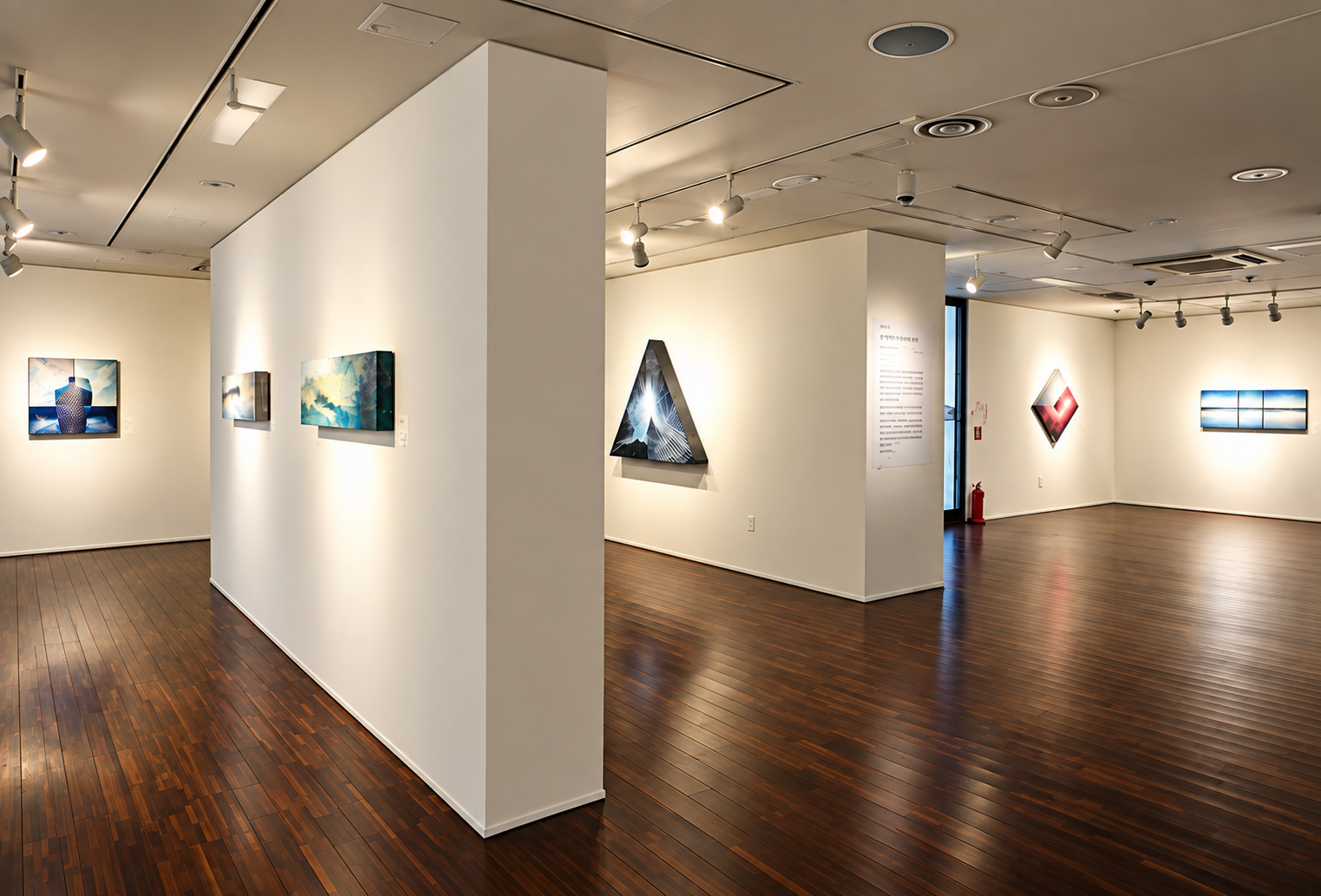
《An Eternal Epic Inscribed in Wood Grain》, 2022.06.08 – 2022.06.29, Kumoh National Institute of Technology Gallery
Kumoh National Institute of Technology Gallery presents 《An Eternal Epic Inscribed in Wood Grain》, an invitational exhibition by Wheiza Kim, through June 29. The exhibition features fifteen paintings.
2022.06.08
Exhibitions
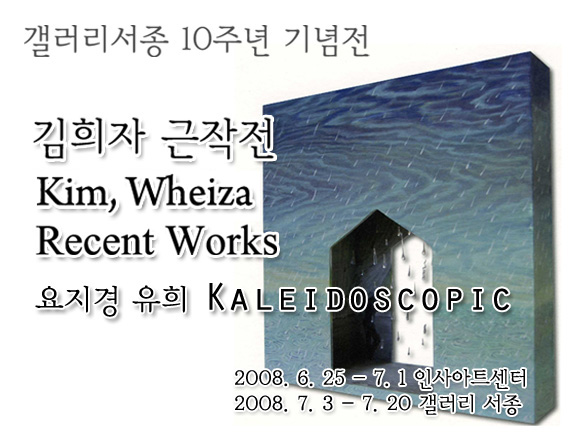
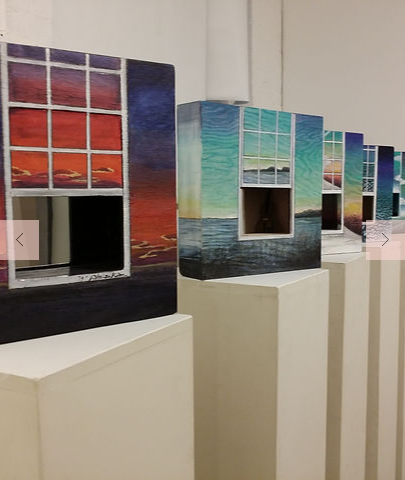
Recent Works by Wheiza Kim 《Kaleidoscopic》, 2008.07.03 – 2008.07.20, Gallery Seojong
Currently living and working in New York, Wheiza Kim was one of the prominent Korean women artists of the 1980s and was highly active in Seoul. Beginning with an invitational exhibition at the East-West Cultural Studies Gallery in 1993, she held a number of solo exhibitions while traveling between Seoul and New York.
2008.07.03
Exhibitions
《Dialogue with Nature-Message from the Wind》, 2016.01.12 – 2016.01.23, Gallery d’Arte
Gallery d’Arte, 547 West 27th Street, Suite 518, New York City, proudly presents Wheiza Kim’s solo exhibition 《Dialogue with Nature-Message from the Wind》. The exhibition will run from January 12–23, 2016, with an opening reception on Thursday, January 14, from 5–8 PM.
2016.01.12
Writings
Critiques
The Flâneur; A Stroll through the City
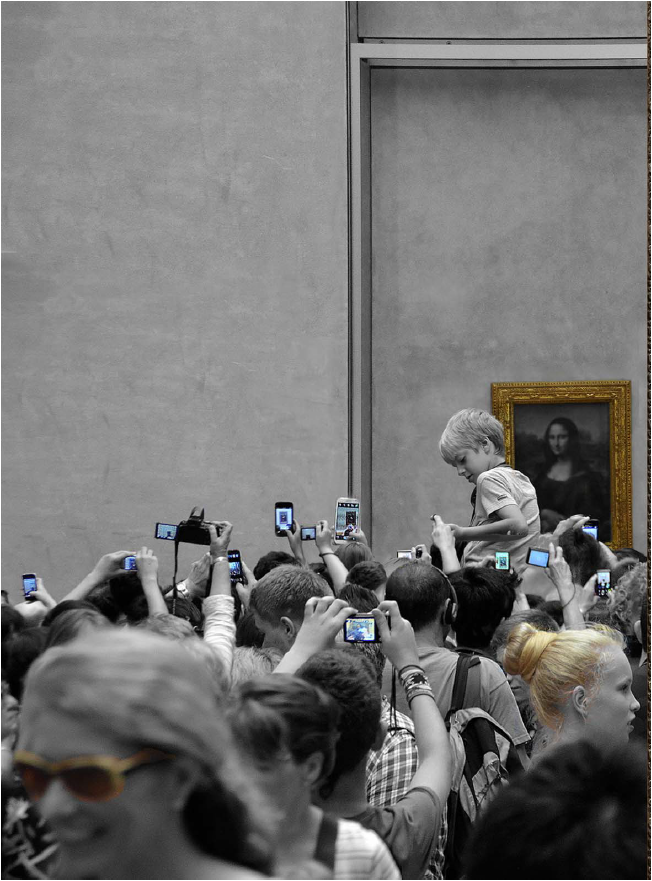
‘Flâneur’ is a French word meaning the person who walks the street idly. With a huge project to develop the city in the mid-19th century, Paris underwent substantial changes. Old appearance of the city in the Middle Age had gone and high buildings, wide roads, classy cafés, restaurants, and theaters came. As the entire city changed in its appearance, the livelihood of the people also changed and their lives started to undergo unfamiliar changes. The people who witnessed this phenomenon in changing Paris were called ‘Flâneur’, a person who takes a stroll, Charles Baudelaire who lived from 1821 to 1868 said. The city was not the space for people to live but just the landscape as the subject people looked at. The people who lived there became the spectators who took a contemplative view on the urban landscape changing while being separated from their lives. The work of Kim Hong Shik is to start observing and recording the change and movement modern cities undergo as this era’s ‘Flâneur’ and to study and understand the city as the place our modernity is realized.
2011
Artist Note
Artist Note
Interview with Modern Buddhism Magazine (June Issue)
Living Void, Triangle, Slavoye Žižek, Black House, Memory Treasury of Obsession, Friedrich Nietzsche, Kaleidoscope, Yogācāra, Zen Buddhism, Surrealism, René Magritte, Children's "Aha" Experience, Identity, Wonhyo, Mangong, Sondam Monk, Fairy Tale Book, Eric Fromm, Bill Viola, Ryu Si-hwa, Kahlil Jiburan, No Time No Place, Paul Tillich, Postmodernism...
2015
Artist Note
Hoping that the message of their spirit etched in the grain of the wood will be revived.
The trees in the forest were the closest friends of my soul in my life. If I sat quietly beside them, I could listen to the stories they heard from stars, wind, and clouds somewhere. We often hear stories of giant trees uprooted by heavy rain and typhoons somewhere, countless houses and people swept away by disasters, places where volcanic eruptions and shooting stars fell, and stories of stars happening across many universes. It was extremely difficult because I could not accept that it was a reality, not a dream. At first, I doubted myself out of fear that I had become a strange shaman, but now it has become part of my daily life in my secret forest, and I am very happy.
2023
Artist Note
A Short Essay on My Work
Under the premise that only purely sublimated artwork can commune with cosmic secrets, I contemplate, meditate, and execute my work. Around 2010, when The Red Book by Carl Jung—whom I deeply revere—was published, I was immersed in a profound study of his concept of the unconscious. Around that same time, I encountered The Secret Life of Plants by Peter Tompkins and Christopher Bird.
2025
Videos

Videos
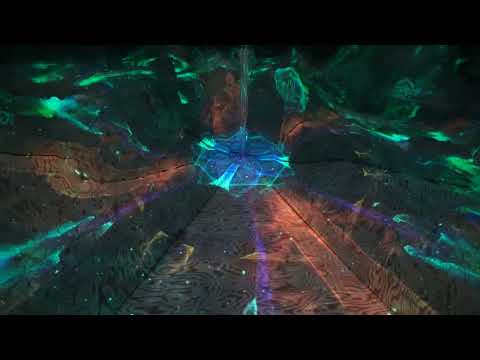
The place for negative-word purification
Exhibited at the Yeosu International Art Festival
2020
Videos
Psychological Landscape_Celebrating the Soul of Trees
Yeongeun Museum of Art Special Exhibition 2023
2020
Press

Activities
Activities
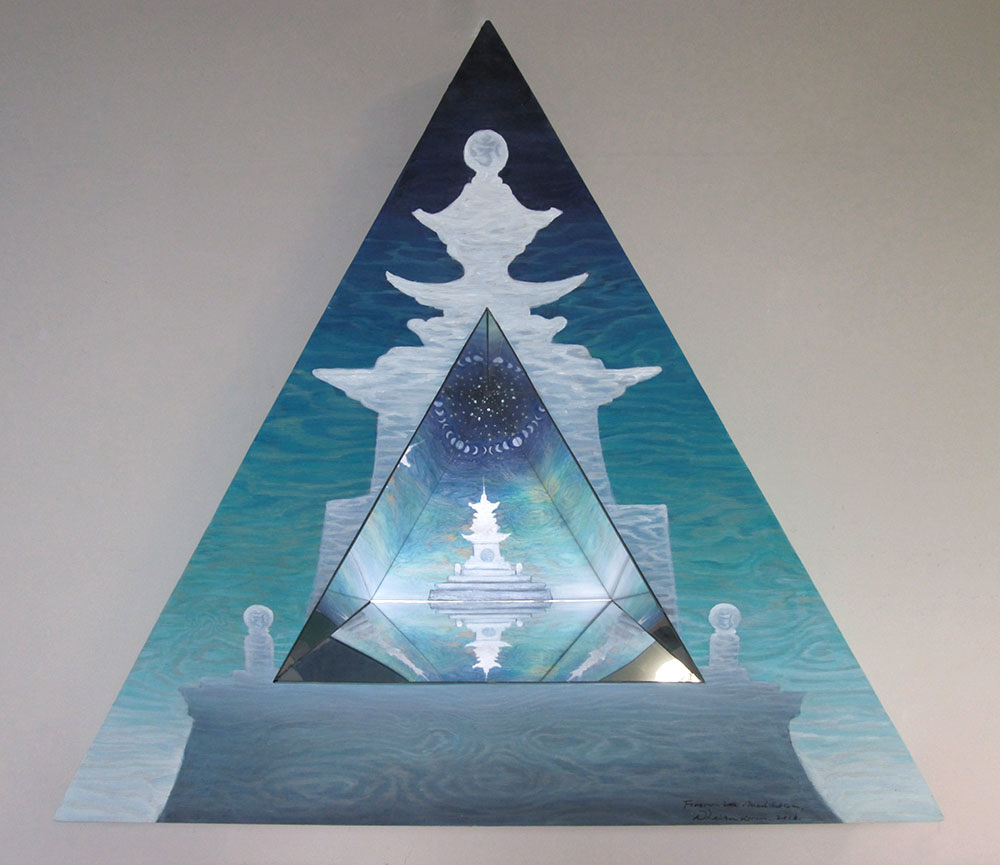
Activities 2
They say that salmons spend their lives in the vast ocean, yet when the time comes to spawn, they return to the very maternal rivers where they first hatched and departed. After laying their eggs, they exhaust their entire being for the next generation, ultimately facing death. It is said that only about half of those newly hatched fry manage to survive the journey back to the ocean. What is it that compels them to undertake a voyage defined by such mortal peril? Where was this primal nature nurtured—this instinct driving them to brave the immense and treacherous seas, knowing the fatal cost?
2026.07.14
Activities
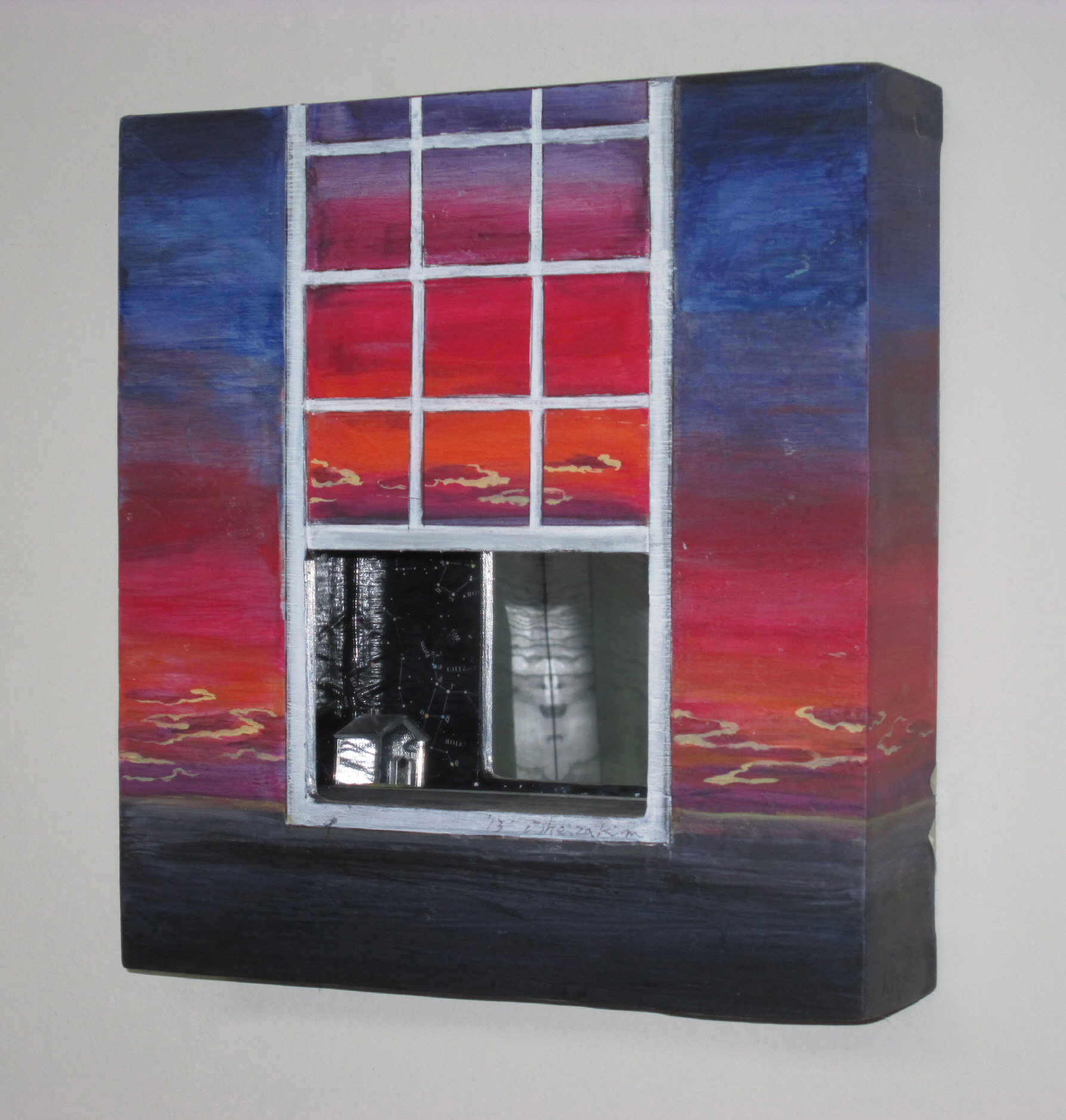
Activities 3
They say that salmons spend their lives in the vast ocean, yet when the time comes to spawn, they return to the very maternal rivers where they first hatched and departed. After laying their eggs, they exhaust their entire being for the next generation, ultimately facing death. It is said that only about half of those newly hatched fry manage to survive the journey back to the ocean. What is it that compels them to undertake a voyage defined by such mortal peril? Where was this primal nature nurtured—this instinct driving them to brave the immense and treacherous seas, knowing the fatal cost?
2026.07.14
Activities
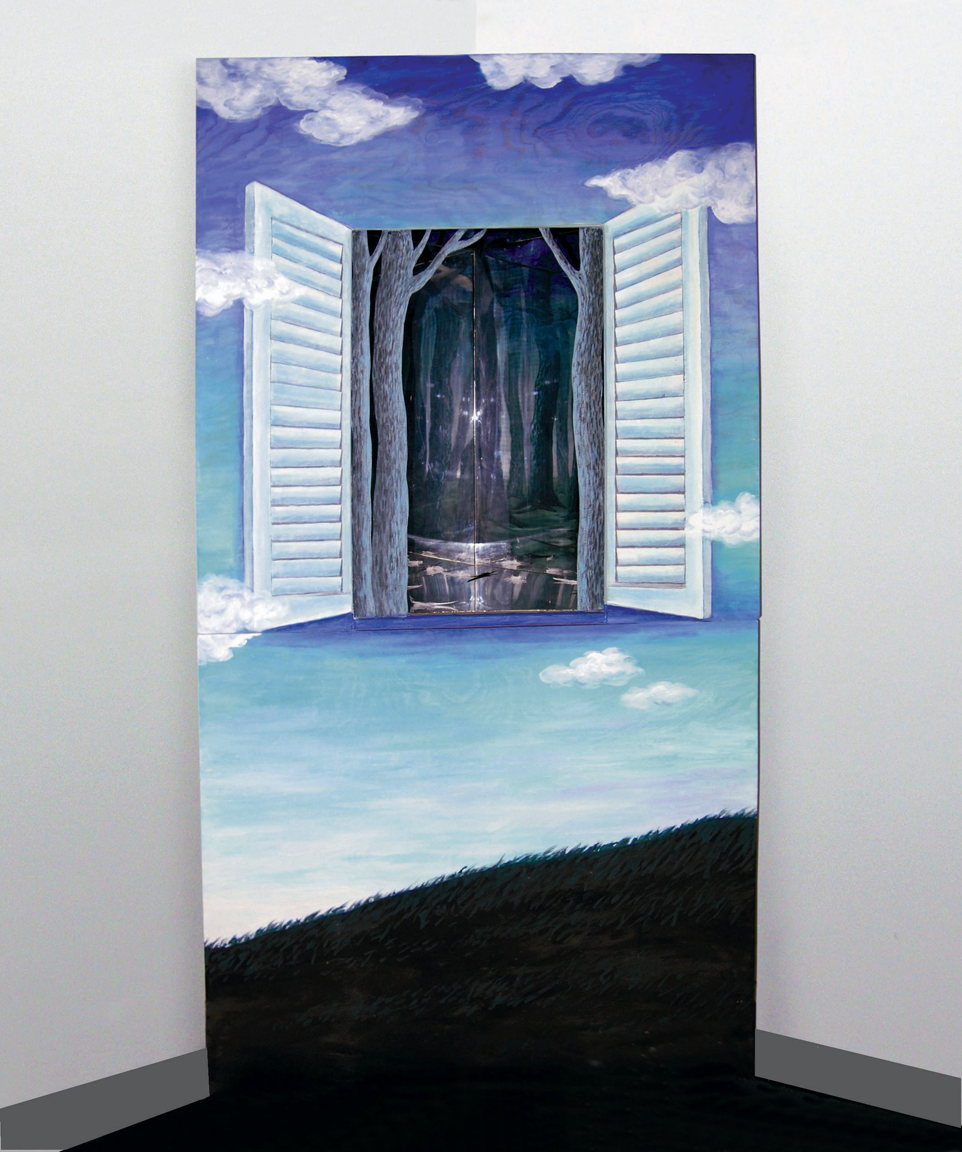
Activities 4
They say that salmons spend their lives in the vast ocean, yet when the time comes to spawn, they return to the very maternal rivers where they first hatched and departed. After laying their eggs, they exhaust their entire being for the next generation, ultimately facing death. It is said that only about half of those newly hatched fry manage to survive the journey back to the ocean. What is it that compels them to undertake a voyage defined by such mortal peril? Where was this primal nature nurtured—this instinct driving them to brave the immense and treacherous seas, knowing the fatal cost?
2026.07.14
Activities
Activities 1
They say that salmons spend their lives in the vast ocean, yet when the time comes to spawn, they return to the very maternal rivers where they first hatched and departed. After laying their eggs, they exhaust their entire being for the next generation, ultimately facing death. It is said that only about half of those newly hatched fry manage to survive the journey back to the ocean. What is it that compels them to undertake a voyage defined by such mortal peril? Where was this primal nature nurtured—this instinct driving them to brave the immense and treacherous seas, knowing the fatal cost?
2026.07.14